 Image 1 of 1
Reusable Toaster Bags
Reusable Toaster Bags
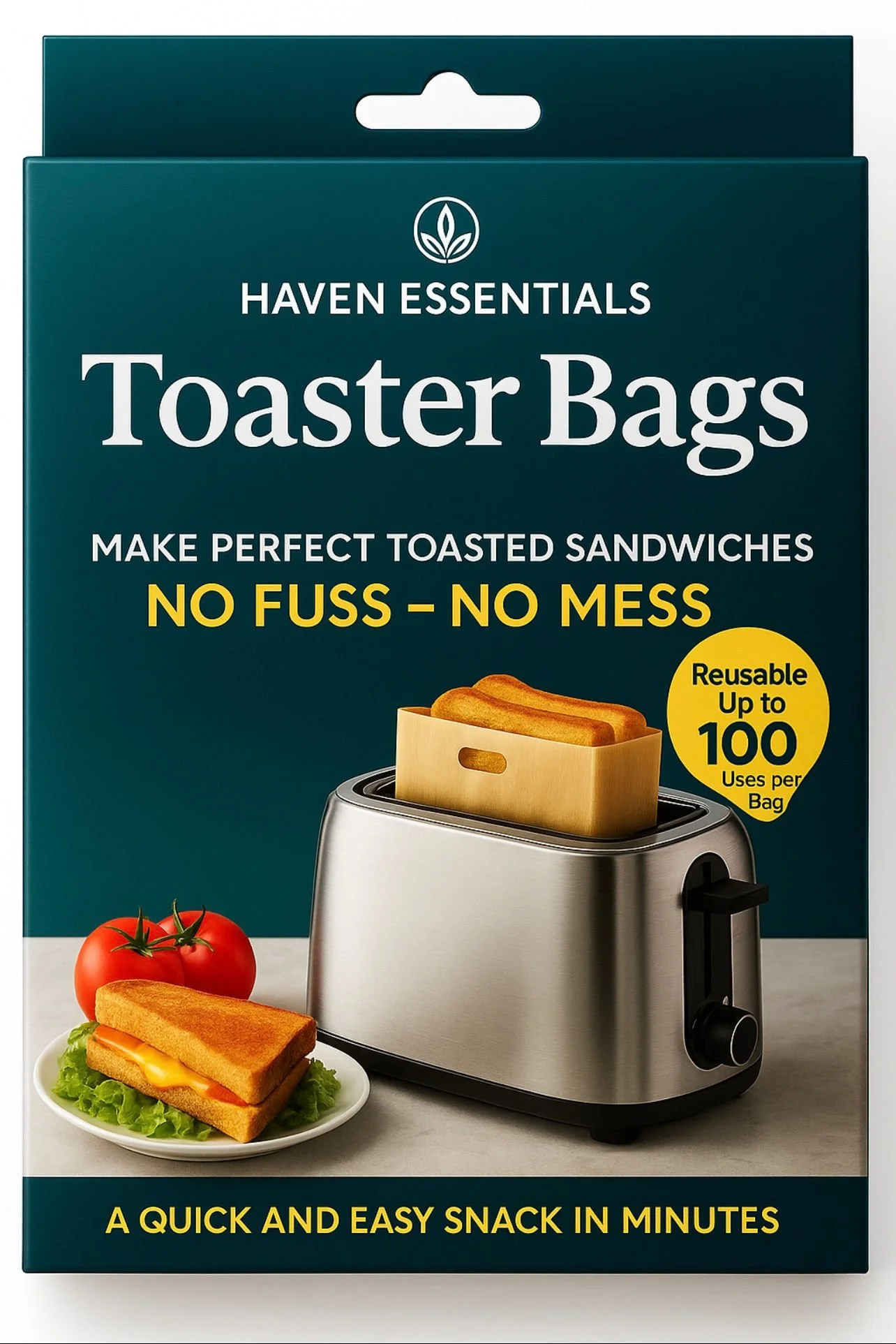
What they are Reusable toaster bags are heat-resistant, food-safe pouches that let you toast sandwiches, pastries, and other items in a pop-up or toaster oven without direct contact with the heating elements. Made from materials like PTFE-coated fiberglass or food-grade silicone, they prevent mess, reduce cleanup, and can extend the life of your toaster by blocking crumbs and drips.
Key benefits
Easy cleanup: Catch melted cheese, spreads, and crumbs inside the bag; rinse or wipe clean rather than scrubbing trays.
Healthier cooking: Use minimal oil or butter; the nonstick surface prevents food from sticking.
Versatility: Toast sandwiches, reheat frozen pastries, heat small vegetables, or warm leftover bread.
Eco-friendly: Replace single-use aluminum foil and disposable parchment or sandwich bags.
Protects appliances: Keeps heating elements and trays cleaner, reducing maintenance and fire risk.
Materials and safety
Common materials: PTFE-coated fiberglass (similar to reusable baking mats) or food-grade silicone. Both offer nonstick performance; PTFE varieties are thinner and crisp food more quickly, silicone is thicker and offers more insulation.
Temperature limits: Typically rated up to 450–500°F (232–260°C). Check the product label for exact limits.
Food safety: Look for FDA- or LFGB-compliant materials. Avoid bags with visible damage, delamination, or fraying.
Toaster compatibility: Use only in pop-up toasters if the bag can fully clear the basket and won’t touch heating elements when the spring releases. Many users prefer toaster ovens for better safety and visibility.
How to use
Preheat (if needed): Some items toast better with a brief preheat in the toaster or oven.
Place food in the bag: Make sure fillings are not overstuffed so the bag closes properly and heat circulates.
Insert into toaster or toaster oven: If using a pop-up toaster, ensure the bag and contents clear the element and carriage when the toaster pops. For toaster ovens, place the bag on the rack or tray.
Toast time: Add extra time compared with open-toasting for thicker items. Check periodically to avoid overbrowning.
Remove and cool: Use tongs or heat-resistant gloves; allow the bag to cool slightly before handling.
Clean: Wipe with a damp cloth or wash by hand with warm soapy water. Some models are dishwasher-safe—verify manufacturer instructions.
Care and maintenance
Hand wash recommended for longevity; if dishwasher-safe, place on top rack.
Avoid abrasive scrubbers that can damage the nonstick surface.
Store flat or rolled; avoid sharp folds that could cause cracks or tears.
Inspect regularly for wear; replace if any holes, fraying, or coating damage appears.
Limitations and tips
Not suitable for wet batters or very runny fillings that may leak.
Thin, crispy textures may not brown as quickly as direct-toaster exposure; use higher heat or a few extra minutes if needed.
Avoid using with broiling/high direct flame settings that exceed manufacturer temperature ratings.
Do not use in microwave unless explicitly labeled microwave-safe.
Buying guide
Size: Choose bags sized for your toaster type—standard sandwich, long/bagel, or extra-large.
Material: PTFE-coated for crisping and thin profile; silicone for durability and insulation.
Certification: Prefer FDA/LFGB food-safe materials and clear temperature ratings.
Ease of cleaning: Dishwasher-safe models are convenient but check recommended wash settings.
Price and warranty: Higher-quality bags cost more but last longer; look for guarantees or replacement policies.
Reusable toaster bags are a simple, practical accessory for cleaner, more convenient toasting and reheating. When chosen and used correctly, they save time, reduce waste, and protect your appliance.
Reusable Toaster Bags
What they are Reusable toaster bags are heat-resistant, food-safe pouches that let you toast sandwiches, pastries, and other items in a pop-up or toaster oven without direct contact with the heating elements. Made from materials like PTFE-coated fiberglass or food-grade silicone, they prevent mess, reduce cleanup, and can extend the life of your toaster by blocking crumbs and drips.
Key benefits
Easy cleanup: Catch melted cheese, spreads, and crumbs inside the bag; rinse or wipe clean rather than scrubbing trays.
Healthier cooking: Use minimal oil or butter; the nonstick surface prevents food from sticking.
Versatility: Toast sandwiches, reheat frozen pastries, heat small vegetables, or warm leftover bread.
Eco-friendly: Replace single-use aluminum foil and disposable parchment or sandwich bags.
Protects appliances: Keeps heating elements and trays cleaner, reducing maintenance and fire risk.
Materials and safety
Common materials: PTFE-coated fiberglass (similar to reusable baking mats) or food-grade silicone. Both offer nonstick performance; PTFE varieties are thinner and crisp food more quickly, silicone is thicker and offers more insulation.
Temperature limits: Typically rated up to 450–500°F (232–260°C). Check the product label for exact limits.
Food safety: Look for FDA- or LFGB-compliant materials. Avoid bags with visible damage, delamination, or fraying.
Toaster compatibility: Use only in pop-up toasters if the bag can fully clear the basket and won’t touch heating elements when the spring releases. Many users prefer toaster ovens for better safety and visibility.
How to use
Preheat (if needed): Some items toast better with a brief preheat in the toaster or oven.
Place food in the bag: Make sure fillings are not overstuffed so the bag closes properly and heat circulates.
Insert into toaster or toaster oven: If using a pop-up toaster, ensure the bag and contents clear the element and carriage when the toaster pops. For toaster ovens, place the bag on the rack or tray.
Toast time: Add extra time compared with open-toasting for thicker items. Check periodically to avoid overbrowning.
Remove and cool: Use tongs or heat-resistant gloves; allow the bag to cool slightly before handling.
Clean: Wipe with a damp cloth or wash by hand with warm soapy water. Some models are dishwasher-safe—verify manufacturer instructions.
Care and maintenance
Hand wash recommended for longevity; if dishwasher-safe, place on top rack.
Avoid abrasive scrubbers that can damage the nonstick surface.
Store flat or rolled; avoid sharp folds that could cause cracks or tears.
Inspect regularly for wear; replace if any holes, fraying, or coating damage appears.
Limitations and tips
Not suitable for wet batters or very runny fillings that may leak.
Thin, crispy textures may not brown as quickly as direct-toaster exposure; use higher heat or a few extra minutes if needed.
Avoid using with broiling/high direct flame settings that exceed manufacturer temperature ratings.
Do not use in microwave unless explicitly labeled microwave-safe.
Buying guide
Size: Choose bags sized for your toaster type—standard sandwich, long/bagel, or extra-large.
Material: PTFE-coated for crisping and thin profile; silicone for durability and insulation.
Certification: Prefer FDA/LFGB food-safe materials and clear temperature ratings.
Ease of cleaning: Dishwasher-safe models are convenient but check recommended wash settings.
Price and warranty: Higher-quality bags cost more but last longer; look for guarantees or replacement policies.
Reusable toaster bags are a simple, practical accessory for cleaner, more convenient toasting and reheating. When chosen and used correctly, they save time, reduce waste, and protect your appliance.